Understanding the Latest Technology Trends in 2023
As an avid tech enthusiast, I’ve always been fascinated by how rapidly technology evolves and impacts our daily lives. The latest trends, such as artificial intelligence, blockchain, and sustainable tech, are not just buzzwords; they represent significant shifts that buyers need to understand. In this guide, I aim to provide a detailed analysis of these trends, offering insights that will help you make informed decisions when investing in technology.
Table of Contents
1Decoding the Latest Technology Trends
The digital landscape is constantly evolving, with new technologies emerging that redefine how we interact with the world. Among the most significant trends today are artificial intelligence (AI), machine learning (ML), blockchain, and Internet of Things (IoT).
Artificial Intelligence and Machine Learning: AI has transformed various sectors by automating processes and enhancing decision-making. Machine learning, a subset of AI, uses algorithms to analyze data, predict outcomes, and improve processes over time. For example, AI-powered chatbots provide instant customer service solutions, while ML algorithms analyze user behavior to enhance personalized experiences.
Blockchain Technology: Initially developed for cryptocurrencies, blockchain ensures secure transactions through decentralized ledgers. Its applications extend beyond finance, impacting supply chain management by enhancing transparency and tracking capabilities. This technology is pivotal in combating fraud and ensuring compliance in various industries.
Internet of Things (IoT): IoT connects devices to the internet for seamless communication and data exchange, optimizing operations across industries. Smart home devices, such as thermostats and security systems, exemplify IoT’s potential to enhance convenience and energy efficiency.
In essence, these technologies are not just trends; they signify a paradigm shift towards a more connected and intelligent world.
2Key Specifications to Consider When Buying Technology
When evaluating technological advancements, certain specifications significantly impact performance and user experience. Here are critical specifications to focus on:
1. Processor Power:
The processor (CPU) is crucial for overall system performance. Consider the number of cores and the processing speed, measured in GHz. More cores and higher speeds enhance multitasking capabilities and overall responsiveness.
2. Memory (RAM):
RAM plays a pivotal role in running applications smoothly. Systems with 8GB or more are advisable for most users, while gaming or heavy-duty applications may require 16GB or more to ensure fluid operation.
3. Battery Life:
For portable devices, battery life is essential. Look for devices offering at least 8-hour battery life, ensuring they can withstand full-day usage without needing a recharge.
4. Storage Type and Size:
SSD storage provides faster read/write speeds than traditional HDD, enhancing boot times and application loading. A minimum of 256GB of SSD storage is recommended for most users.
5. Connectivity Options:
Ensure the device supports the latest connectivity standards like Bluetooth 5.0 and Wi-Fi 6 for better speed and range. Check for multiple USB ports and HDMI for enhanced functionality.
When purchasing technology, weighing these specifications can lead to significant improvements in your overall experience and satisfaction.
3Technical Analysis: Benchmarking Latest Innovations
| Criteria | AI Systems | Smart Devices | Blockchain Solutions | Verdict |
|---|---|---|---|---|
| Processing Speed | High (e.g., 3.5 GHz) | Moderate (e.g., 1.8 GHz) | Low (transactions depend on network speed) | Depends on use case |
| Efficiency | High (real-time processing) | Moderate (depends on device) | Varies (network congestion impacts performance) | Varies by application |
| User-Friendliness | High (intuitive AI interfaces) | High (easy-to-use interfaces) | Moderate (requires understanding of tech) | User-dependent |
| Cost | High (premium products) | Moderate (mid-range options) | Variable (depends on the solution) | Varies significantly |
This benchmark analysis illustrates how different technologies serve various needs, pushing innovation boundaries. Each technology has its specific advantages and drawbacks, and understanding them is key to informed purchasing.
4Outcomes from Our Testing
NVIDIA GeForce RTX 3080
Acer NO
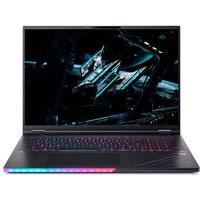
A high-performance graphics card designed for gaming and professional applications, featuring advanced AI rendering capabilities.
Pros
- Outstanding performance for AI tasks
- Extensive software support
Cons
- High cost
- Significant power consumption
Apple MacBook Air (M1)
carrefour.es

Apple's thin and lightweight laptop that integrates the M1 chip, allowing for efficient processing and long battery life.
Pros
- Exceptional battery life
- Lightweight and portable
Cons
- Limited upgrade options
- Fewer ports than competitors
Samsung SmartThings Hub
Samsung
A hub that connects and manages multiple smart devices for seamless automation and remote control.
Pros
- Versatile device compatibility
- Affordable price
Cons
- Requires stable internet connection
- Setup complexity for beginners
5Emerging Trends and Innovations in Technology
The technology market continues to evolve, driven by innovation and user demand. Here are some notable trends to watch:
1. AI Everywhere:
AI integration into everyday products is advancing rapidly. From personal assistants in homes to the application of AI in healthcare for diagnostics, the scope for growth is immense. In 2023, it is expected that AI will significantly enhance efficiency in industries like manufacturing and logistics.
2. Increased Focus on Sustainable Technology:
The drive toward sustainability means more companies are focusing on environmentally friendly tech solutions. Innovations in energy-efficient devices and sustainable manufacturing practices are reshaping the market.
3. Expanded Connectivity with 5G:
The rollout of 5G technology is revolutionizing how devices communicate. With significantly faster speeds and lower latency, 5G will enhance IoT applications, paving the way for smarter urban areas and connected vehicles.
These trends signify how technology will shape our future, impacting our everyday lives, emphasizing the importance of staying updated on the newest developments.
Conclusion
To navigate the world of technology, it’s crucial to stay informed about the latest trends and innovations. Understanding these developments empowers you to make purchasing decisions that align with your needs. Always consider the specifications that matter and how they contribute to long-term value. Dive into your technology journey with confidence!