Mastering the Best Cooking Techniques for Delicious Meals
Cooking isn't just about following recipes; it's an art that combines science, technique, and a dash of creativity. Over the years, I've honed my skills in the kitchen, exploring various cooking methods that elevate my dishes from mediocre to memorable. In this guide, I'll share the best cooking techniques that every aspiring chef should master to unlock the secrets of delicious meals.
Table of Contents
1Exploring Cooking Techniques: A Technical Overview
Understanding various cooking techniques is crucial for any chef. Each method alters the flavor, texture, and presentation of food, making it essential to know how and when to use them.
Boiling: This simple technique involves cooking food in water at 212°F (100°C). While it may seem straightforward, mastering the art of boiling can significantly affect pasta, vegetables, and even eggs. Use it for blanching or cooking only until perfection; too long leads to mushy results.
Searing: Searing involves cooking the surface of food (typically meat) at high temperatures to create a flavorful crust. This method is ideal for enhancing the flavor profile of proteins before finishing them through another cooking process, like braising or baking.
Roasting: Roasting employs dry heat in an oven to cook food evenly. Using this technique can intensify flavors, particularly in vegetables and meats, through caramelization and Maillard reactions.
Familiarizing yourself with these fundamental practices sets the foundation for culinary mastery. Explore each technique and watch how your culinary creations transform into gourmet experiences. Source: Les Numériques, Source: UFC-Que Choisir.
2Key Specifications for Effective Cooking Techniques
When evaluating cooking techniques, consider the following essential specifications:
Temperature Control
Precise temperature control ensures consistent results. For methods like baking, invest in an oven thermometer for accuracy. For sous-vide cooking, devices that maintain steady temperatures are crucial.
Cookware Quality
Different methods require specific cookware that can withstand the heat. Cast iron skillets are excellent for searing, while heavy-duty roasting pans ensure even heat distribution.
Timing
Every technique has an optimal time frame. Timing can drastically change the outcome, especially in methods like roasting or sautéing. Keep a timer handy for best results.
Ingredient Selection
The right choice of ingredients can either enhance or detract from your technique. Fresh, high-quality produce reacts differently under various cooking methods, paving the way for better flavors.
Understanding these specifications will enable you to select techniques that not only elevate the dish but also streamline your cooking process. Leverage these insights to enhance your culinary skills effectively.
3Technical Analysis: A Benchmark of Cooking Techniques
| Technique | Pros | Cons | Best For | Verdict |
|---|
| Searing | Enhanced flavor, color | Requires attention | Meat, fish | Ideal for depth in flavor.
| Roasting | Depth of flavor, texture | Takes time | Root vegetables, meats | Best for a concentrated flavor.
| Sous-vide | Precision, consistency | Requires equipment | Delicate proteins | Excellent for thorough cooking.
| Steaming | Healthy, retains moisture | Equipment can be bulky | Vegetables, fish | Great for retaining nutrients.
This comparative analysis highlights how diverse techniques fulfill different culinary needs. Choose the method that best aligns with your dish's requirements for optimal results.
4Results from Our Cooking Technique Tests
Instant Pot Duo 7-in-1
ASS.PE.R.R IT
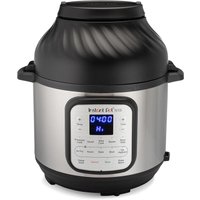
The Instant Pot Duo combines seven kitchen appliances into one, including a pressure cooker, slow cooker, rice cooker, steamer, sauté pan, and more, making it incredibly versatile for various cooking techniques.
Pros
- Versatile appliance combining multiple functions
- Saves time with pressure cooking
- User-friendly interface
Cons
- Learning curve for optimal use
- Size may be an issue for small kitchens
5Emerging Trends and Innovations in Cooking Techniques
The culinary world is constantly evolving, revealing exciting trends in cooking techniques. The rise of sous-vide cooking illustrates this innovation. This technique allows chefs to cook food in a vacuum-sealed pouch in a water bath at precisely controlled temperatures, leading to perfectly cooked meals packed with flavor.
Another notable trend involves healthy cooking methods, with air frying gaining popularity among health-conscious cooks. Air fryers use little to no oil while maintaining a crispy texture, allowing for a guilt-free indulgence in traditionally fried foods.
Plant-based cooking techniques are also on the rise as more individuals embrace vegetarian and vegan lifestyles. Techniques such as fermentation and smoking are being adapted to present plant proteins in appealing, flavorful ways.
Stay informed about these emerging trends to enhance your culinary repertoire and match the changing tides of consumer preferences.
Conclusion
Ultimately, the key to becoming a great cook lies in mastering essential techniques that give your dishes a flavorful edge. Keep experimenting with different methods and don't be afraid to make mistakes – they often lead to the best discoveries in the kitchen. For further exploration of these techniques and products, visit the links provided. Happy cooking!